Best 30-Inch Induction Cooktops (October 2026)
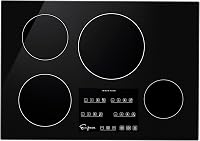
The Empava Ease is our first choice for a 30 inch induction cooktop if you cook with several pans and want separate zone timers. Choose the Frigidaire Gallery for front touch controls and clearly defined element sizes.
On this page (11 sections)
- How we chose these 30-inch induction cooktops
- Compare the 30-inch induction cooktops
- Best 30-inch induction cooktops by use
- What should you check before installing a 30-inch induction cooktop?
- Will your pans fit the cooking zones?
- Which cooking controls matter most?
- How should you use induction during the first week?
- Which safety features should you compare?
- How do you clean and protect the glass?
- What mistakes should you avoid before ordering?
- Which 30-inch induction cooktop should you choose?
The Empava Ease is the best 30-inch induction cooktop here for cooks managing several dishes, thanks to separate zone timers, boost and pause. The Frigidaire Gallery suits buyers who prioritize front controls and want clearly defined element sizes to match with their pans.
Start with the appliance that fits your kitchen, then choose the controls you'll use. A convenient timer cannot solve a countertop opening that needs major changes or an electrical supply that doesn't meet the installation requirements.
For other installation options, see our guide to built-in induction cooktops and the built-in cooktop size comparison. If you're planning a replacement, our guide to choosing a built-in induction cooktop covers the measurements and questions to sort out first.
Our picks at a glance
-
1
 Best for busy family cooks
Empava Ease 30-Inch Built-In Induction Cooktop
7.1/10 our score
See it on Amazon -
2
 Best for front control access
Frigidaire Gallery 30-Inch Induction Cooktop
6.6/10 our score
See it on Amazon
How we chose these 30-inch induction cooktops
The Empava ranks first for meal management, while the Frigidaire gives buyers a clear alternative centered on front control access and cookware planning. We compared the controls, cooking layouts, safety features and installation needs that affect everyday use.
These are choices for a permanent counter installation. Neither should be selected on nominal width alone, and neither earns a place in your kitchen unless your usual pans fit its usable cooking area.
We gave more weight to features with a clear job during dinner preparation. Separate countdowns can help with several dishes, while control position matters whenever you adjust heat with pans already on the surface.
We haven't assigned either model an advantage for browning, quietness or low-heat steadiness. The available facts don't establish a winner in those areas, so those priorities deserve closer attention before you commit.
Compare the 30-inch induction cooktops
Choose the Empava for separate cooking schedules and the Frigidaire for front access to settings. Use the table to check the main differences, then assess the practical fit of each model below.
| Product | Best for | Cooking zones | Dimensions | Power | Our score |
|---|---|---|---|---|---|
| Empava Ease 30-Inch Built-In Induction Cooktop | busy family cooks | 4 | 30 x 21 x 2.17 in | 7400 W; hardwired | 7.1 |
| Frigidaire Gallery 30-Inch Induction Cooktop | front control access | 4 | 30 x 21.38 x 2.88 in | 240 V; 30 A minimum circuit | 6.6 |
A total wattage figure and a circuit requirement describe different things. Don't compare those numbers as if they establish which cooktop heats a full meal faster.
Individual zone output, power-sharing rules and the pan itself also affect a cooking task. Check those details if your routine depends on boiling a large pot while keeping several other dishes hot.
Best 30-inch induction cooktops by use
The Empava suits cooks who coordinate several dishes, while the Frigidaire suits those who put control position first. Both require a closer look at cookware spacing before you assume every zone can hold your largest pans together.
Empava Ease 30-Inch Built-In Induction Cooktop
- Four heating zones
- Power boost
- Independent zone timers
- Pause and safety lock
Separate zone timers help you manage dishes that finish at different times. Boost and pause suit cooks who want more ways to manage a busy meal.
Pros
- Separate countdown for each zone
- Boost for tasks that need extra heat
- Pause, child lock and hot surface indicator
Cons
- Hardwired connection needs installation planning
- Zone diameters need confirmation for large cookware
The Empava Ease 30-Inch Built-In Induction Cooktop suits family meals with several finishing times. Its four zones have independent countdown timers, so a sauce, vegetable pan and pot of rice can each have a separate cooking schedule.
Digital touch controls provide nine power levels, plus boost and pause. Boost is useful for water heating; learn the pause and restart steps before using that function during a busy meal.
Its safety features include a child lock, residual heat display, pan sensor, overheating prevention and automatic shut-off. Read how timer shut-off works so you know what happens when a countdown ends.
The drop-in cooktop measures 30 x 21 x 2.17 inches and has a hardwired connection with 7400 W total power. Those appliance dimensions don't establish the required countertop opening.
Choose it if separate timers will reduce the mental load of cooking. Skip it if your decision depends on fitting an oversized pan and you cannot confirm zone diameters and permitted cookware sizes before ordering.
Frigidaire Gallery 30-Inch Induction Cooktop
- Two 8-inch and two 7-inch elements
- Front capacitive touch controls
- Automatic pan detection
- 240 V; 30 A minimum circuit
Front controls suit cooks who want to reach settings from the near edge. Two element sizes make it easier to compare the cooking layout with everyday pans.
Pros
- Controls positioned at the front
- Defined element sizes for cookware planning
- Automatic pan detection
Cons
- Requires a suitable 240 V circuit
- Large pans still need a spacing and compatibility check
The Frigidaire Gallery 30-Inch Induction Cooktop suits cooks who want settings at the front edge. Its capacitive touch controls use a white display, giving you a defined place to select and adjust heat.
The four-element layout includes two 8-inch and two 7-inch elements. Those measurements help you compare cooking areas with your pan bases, though element diameter alone doesn't establish the full range of compatible cookware.
Automatic pan detection senses cookware on the smooth glass surface. Keep the control area accessible when arranging wide pans or handles near the front.
The appliance measures 30 x 21.38 x 2.88 inches and requires a 240 V supply with a 30 A minimum circuit. Have the installer compare both its fit and electrical requirements with your kitchen.
Choose it when front access is the feature that will help you most. Skip it if you need a confirmed large cooking area for an oversized skillet or a shared zone for a griddle.
What should you check before installing a 30-inch induction cooktop?
Check the countertop opening, clearances and electrical supply before ordering. The outside width tells you how much counter the appliance covers, not the opening it needs underneath.
Measure the opening for your 30-inch induction cooktop
Use the exact model's installation drawing to check the opening's width, depth and corner shape. An existing cooktop can hide the edges of the cutout, so measuring the visible glass won't give you the full answer.
Have an installer expose and measure the opening safely if needed. Record the countertop material and thickness, since changes to stone, wood or laminate can require different work.
Check support around the opening as well as the opening itself. A cooktop needs the mounting and support arrangement specified by its manufacturer, even when the glass appears to cover the old hole.
Check the cabinet space below and around it
Confirm room for the appliance body, electrical connection and required airflow. A shallow-looking cooktop can still need space beneath it that a top drawer currently occupies.
If an oven sits underneath, check the permitted combination and clearances in the installation instructions. Don't assume that two appliances from the same brand can share the space without further checks.
Look above the counter, too. Upper cabinets, ventilation equipment and nearby surfaces must meet the installation requirements, which may differ from those of your old appliance.
Have the electrical connection assessed early
Give the electrician the exact model number and installation manual. An existing electric cooktop connection doesn't prove the new appliance can use the same wiring and breaker.
For the Empava, don't derive the required breaker from total wattage alone. The manufacturer's instructions and local electrical rules determine the correct installation.
If you're comparing broader built-in options, our built-in induction cooktop guide can help you plan the next steps. For a unit that avoids a countertop cutout, compare the options in our best portable induction cooktops guide.
Will your pans fit the cooking zones?
Check base compatibility, base diameter and room between pans before counting a zone as usable. Four cooking zones are only helpful if they can hold the combinations you actually cook with.
A pan's advertised size often describes its top rim. The flat base touching the glass can be smaller, so measure that base when comparing it with the cooktop's cookware guidance.
A magnet that grips the base firmly is a useful compatibility check. It doesn't confirm that the base is large enough for detection or that the pan meets every requirement in the manual.
Flat bases matter because a pan that rocks or sits unevenly is harder to use. Check older cookware for warping before deciding that a new cooktop needs a new set of pans.
For sizing details, see our guide to matching pan size to an induction burner.
Plan around your busiest meal
Choose the pans you use together for a normal dinner and measure their widest points. Include handles, since two pans can fit their zones while their handles block another pan or the controls.
Compare that arrangement with the model's layout drawing. A wide skillet beside a stockpot is a more useful check than four small saucepans if that's how you usually cook.
Keep each pan centered over its intended zone. Moving cookware off-center to make room for a neighboring pan can affect detection and leave part of the cooking surface poorly matched to the heat source.
Check griddles and oversized cookware separately
Don't assume that a griddle can span two zones just because it fits on the glass. Neither cooktop is identified here as having a bridge function, so confirm permitted use before planning around a long pan.
Large canning pots and wide skillets also need their own compatibility check. Ask about permitted pan sizes and weight limits if those tasks are central to your kitchen.
Which cooking controls matter most?
Choose controls that help with your most frequent cooking tasks. Timers matter most when dishes finish at different times, while access and clear zone selection matter every time you change heat.
The Empava's separate timers suit meals with several active pans. Learn which countdown belongs to which zone and what happens at the end, rather than treating every timer like a kitchen alarm.
Pause can help when you need to interrupt the controls briefly. Read its operating steps first, and don't treat it as permission to leave hot food unattended.
For the Frigidaire, front control placement is the main reason to choose it. Think about how you'll reach the panel with a large skillet on a front element and a handle pointing toward you.
Touch controls also need good habits. Keep the panel dry, use a deliberate touch and confirm the selected zone before changing its heat.
If you strongly prefer a physical knob, don't dismiss that preference. A control layout you can use easily every day matters more than an extra function you'll rarely select.
Separate useful settings from cooking results
Power levels describe control steps, not guaranteed food temperatures. A setting that gently simmers one pan may behave differently with another pan or a smaller amount of food.
For frequent sauce work or chocolate melting, check the manual for low-heat guidance and adjustment steps. Neither the number of settings nor the presence of boost proves how smoothly a cooktop handles those tasks.
How should you use induction during the first week?
Start with familiar meals and moderate heat so you can learn how your pans respond. Induction can change the pace of preheating, boiling and heat adjustment compared with your previous stove.
Read the operating instructions before the first meal, then learn zone selection, shutdown and lock controls. Keep the manual available until those actions feel routine.
Wash and dry compatible cookware, and make sure its base is clean. Grit trapped under a pan can mark the glass when the pan moves.
Learn heat response before using boost
Begin with a task you can watch closely, such as heating water. Use moderate power first, then observe how quickly the pan responds when you raise or lower the setting.
Reserve boost for tasks allowed by the manual. Avoid leaving an empty pan on high heat, since cookware can overheat before food goes into it.
For frying, start below the setting you think you'll need and increase it as needed. If oil begins smoking, reduce heat and follow safe cooking practice rather than adding food to cool the pan.
Learn shared-power behavior during a normal meal
Read the rules for running several zones and boost together. A built-in induction cooktop may distribute available power across zones, so maximum output on every zone at once should never be assumed.
Watch the display when you add another pan or change a setting. Understanding its signals helps you tell the difference between normal operation, an incompatible pan and a fault that needs attention.
Fans and cookware can also make sounds during induction cooking. Our guide to induction cooktop noise explains common sound patterns and when to investigate further.
Which safety features should you compare?
Compare locks, heat warnings and shut-off behavior, then learn the limits of each feature. Safety controls support careful cooking, but none removes the need to watch hot pans and food.
The Empava includes the protection features described above. Check the Frigidaire manual for its lock, warning and shut-off functions before making a safety-based comparison.
Pan detection doesn't establish that a surface is cool. Hot cookware transfers heat back into the glass, which can remain hot after the pan is removed.
Keep handles turned away from the counter edge without placing them over neighboring hot cookware. Set heavy pans down carefully, and keep storage items off the cooking surface.
If children can reach the front edge, learn the control lock and use it as directed. A lock helps prevent unintended operation, but it doesn't stop someone from touching hot cookware.
Follow the manual's guidance for cracked glass, fault messages or repeated shutdowns. Stop using an appliance with damaged glass and arrange service instead of continuing to cook around the damage.
How do you clean and protect the glass?
Clean the cooled surface with approved products and lift cookware instead of dragging it. A smooth top is easier to wipe when spills don't build up through several meals.
Check the manual before the first cleaning, especially for spill types that require prompt treatment. Sugary spills can need special handling, so follow the prescribed method without reaching across hot cookware.
For routine care, remove loose debris, use the recommended cleaner and wipe with a soft cloth. Dry the control area before operating the cooktop again.
Avoid abrasive pads and unapproved tools. If the manual permits a cooktop scraper, follow its instructions for blade type, angle and safe use.
Keep pan bottoms clean as well as the glass. A polished cooking surface won't stay that way if dried food or grit rides underneath cookware.
Don't place foil, towels or an aftermarket mat between cookware and glass unless the cooktop manufacturer permits it. An added layer can interfere with use and may conflict with the appliance's instructions.
Use a separate work surface for chopping and unloading groceries. Even with the power off, a cooktop is not a good place for objects that can scratch, strike or accidentally activate it.
What mistakes should you avoid before ordering?
Avoid buying by width alone or by feature count alone. A successful replacement needs a suitable opening, electrical connection, cookware layout and control arrangement.
Assuming the old opening will work
Two nominally 30-inch appliances can need different cutouts. Get the measurements before arranging delivery, especially when changing the counter would add another trade to the job.
If the opening is too large, covering it with the glass isn't enough. Have the installer confirm an approved support solution before proceeding.
Treating four zones as four large-pan spaces
Zone count doesn't describe how a crowded meal will fit. Compare your largest regular cookware combinations with the layout, including the space required for handles and control access.
If one large skillet dominates most dinners, its fit should carry more weight than the total number of zones.
Replacing all your cookware immediately
Check your existing pans before buying a complete new set. Keeping compatible pieces lets you learn which sizes you use most on the new surface.
Replace the pan that solves a real gap, such as an incompatible everyday skillet. A large collection of seldom-used cookware doesn't make the cooktop more useful.
Leaving installation costs until last
Ask for the full installation scope before choosing between appliances. Electrical work, counter alterations and cabinet changes can affect the project more than a small difference in convenience features.
For the broader choices involved, our induction cooktops buyer's guide explains how built-in and portable formats fit different cooking needs.
Which 30-inch induction cooktop should you choose?
Pick the Empava Ease for meals with separate cooking schedules. Its timer controls are the clearest reason to choose it when you often manage several dishes together.
Pick the Frigidaire Gallery for front access to heat settings. Choose it after confirming that your everyday pans fit the element layout and leave the control area easy to reach.
Skip either model if a must-have remains unresolved, such as an oversized pan, an under-counter oven combination or the required electrical work. Settle that question before choosing a 30-inch induction cooktop for its extra features.
Your next step is to gather the installation drawing, kitchen measurements and cookware sizes in one place. Use our guide to choosing a built-in induction cooktop to turn those checks into a clear installation plan.
Frequently asked questions
What does a 30-inch induction cooktop measure?
The 30-inch label describes nominal width, not the countertop opening. Both models here are 30 inches wide, but their depths and heights differ.
Use the installation drawing to compare the required cutout, cabinet space and clearances with your kitchen before ordering or changing the counter.
Do 30-inch induction cooktops need special wiring?
These built-in models need an electrical check before installation. The Frigidaire requires 240 V and a 30 A minimum circuit, while the Empava is hardwired with 7400 W total power.
An electrician should confirm the required connection, wiring and breaker arrangement using the exact model's installation manual.
How many cooking zones do these cooktops have?
Both cooktops have four cooking zones, but pan spacing matters as much as the count. The Frigidaire has two 8-inch and two 7-inch elements.
Compare your cookware bases and handle positions with the layout, especially if you often use a wide skillet beside a large stockpot.
What should I check before replacing a cooktop?
Check the countertop cutout, cabinet clearances and electrical supply before choosing a replacement. Also check how the appliance will sit above any drawer or oven.
Match these measurements to the new model's installation instructions, and have an installer assess any counter changes before you commit to the appliance.
Will my current cookware work on induction?
Your cookware needs an induction-compatible base, and its size must meet the cooktop's requirements. A magnet that grips the bottom firmly is a useful first check, but it doesn't establish that the pan fits every zone.
Check the cookware instructions and the cooktop manual before replacing a whole set.
Can I use all four zones at once?
Plan around the manual's rules for total power and simultaneous zone use. Four zones don't establish how much power each can receive when several are running, especially during boost.
Also check physical space: four compatible pans may still crowd the controls or push neighboring cookware away from its zone.