Why Is My Induction Cooktop Making Noise?
Induction cooktop noise usually comes from vibrating cookware, the cooling fan, or power cycling. Try another compatible pan if there are no warning signs, but stop using the unit for smoke, sparks, a burning smell, or sudden harsh grinding.
On this page (9 sections)
- What sounds can an induction cooktop make?
- Why does cookware make an induction cooktop buzz?
- Can the heat setting cause buzzing or clicking?
- Is fan noise normal after cooking?
- How can you reduce induction cooktop noise?
- When should you stop using a noisy cooktop?
- Can a double induction cooktop make different sounds?
- How should you choose a cooktop when noise matters?
- What should you do about induction cooktop noise next?
Induction cooktop noise usually comes from vibrating cookware, the cooling fan, or power cycling. A soft buzz or fan whir can be expected, while smoke, sparks, a burning smell, or sudden harsh grinding calls for stopping the unit.
Start with the pan if there are no warning signs. Replacing a working burner may leave you with the same noise if your cookware is the source.
What sounds can an induction cooktop make?
An induction cooktop can produce a hum, high-pitched buzz, occasional click, or fan whir. When the sound starts and what changes it are useful clues.
| Sound or pattern | Likely source | Useful next step |
|---|---|---|
| Buzz or whine that changes with cookware | Pan vibration | Compare another compatible pan |
| Clicking that follows heat changes | Power regulation | Check the manual for expected cycling |
| Steady whir during cooking or cooldown | Cooling fan | Keep vents clear and follow cooling instructions |
| Light rattle near a lid or handle | Loose cookware part | Check it once everything has cooled |
| Sudden grinding or noise with smoke, sparks, or burning smell | Possible fault | Stop using the cooktop |
These patterns help you narrow the source; they don't establish that a unit is safe. A new sound that persists with several pans deserves a check against the manual.
For a broader explanation of cookware compatibility and burner types, see our induction cooktop buyer's guide.
Why does cookware make an induction cooktop buzz?
Cookware can buzz because its metal layers vibrate during induction heating. A pan can work on induction and still make a high-pitched sound, especially at some power settings.
A magnetic base confirms an essential part of compatibility, but it doesn't promise quiet cooking. Base construction, flatness, and the fit between pan and cooking zone also matter.
Compare the diameter of the flat magnetic base, rather than the pan's wider rim, with the manual's requirements. Our guide to what size pan fits an induction burner explains that distinction.
A lid or loose handle can add a separate rattle. Let the cookware cool before checking those parts, and don't tighten or alter them beyond the cookware maker's instructions.
The Duxtop suits everyday single-pan cooking, especially if you want several heat choices for boiling, simmering, and warming. It offers 20 power levels from 100 to 1800 watts, plus fast-boil and keep-warm buttons.
Duxtop specifically notes that layered cookware may produce high-pitched sounds. Choose it for its cooking controls, rather than expecting a burner change to silence a pan you already use.
Skip it if you need 2 pans cooking at once or prefer physical buttons over touch controls. Its pan-detection shutoff helps with missing or unsuitable cookware, but it doesn't tell you whether a pan will buzz.
Can the heat setting cause buzzing or clicking?
Power changes can change the sound, and some cooktops cycle heat on and off at lower settings. Clicking or a buzz that comes and goes may follow that cycle.
For simmering, first bring the food up to temperature, then reduce the power to what the recipe needs. Leaving the burner at maximum throughout cooking can add unnecessary boiling noise and make cookware sounds more noticeable.
Use the same pan and contents while comparing settings. Changing the pan, water level, and power together makes it harder to identify the cause.
A temperature setting is also different from a constant wattage setting. See how many watts an induction burner needs to choose a useful power range for your cooking.
Is fan noise normal after cooking?
A cooling fan may keep running after cooking because internal parts still need to cool. Turning off the heat doesn't always stop the fan immediately.
Follow the manual's instructions about leaving the unit plugged in during cooldown. Blocking vents or cutting power early can interfere with that cooling process.
A steady fan whir differs from scraping, grinding, or a new rattle. If the sound changes sharply or the fan behaves differently from the manual's description, stop using the unit and contact the manufacturer.
Keep loose packaging, towels, and other clutter away from ventilation openings. Never insert tools into a vent to investigate a sound.
How can you reduce induction cooktop noise?
The most useful first steps are correct pan placement, clear ventilation, and a comparison with another compatible pan. Work through one change at a time.
A simple induction cooktop noise check
- Check for warning signs. Don't continue if there is smoke, a burning smell, sparks, damage, or a serious error warning.
- Turn off the heat and let everything cool. Remove crumbs or dried spills from the glass and pan base.
- Check the setup. Use a stable, level surface that meets the manual's clearance requirements.
- Center a suitable pan. Add water for the comparison rather than heating an empty pan.
- Start at moderate power. Listen for whether the noise comes from the cookware or the unit.
- Compare another pan. Keep the power setting and water amount similar.
Avoid sliding cookware across the glass, especially if debris is trapped underneath. Lift it when repositioning it.
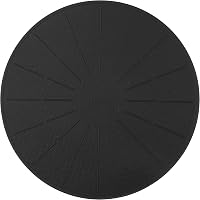
Don't add towels, foam, or improvised padding to absorb vibration. A mat between cookware and glass should only be used if the cooktop manual permits it; read whether an induction cooktop mat or protector is right for you first.
The ChangBERT suits frequent single-burner cooking and buyers who want physical push buttons. Its 8-inch heating coil and dedicated boil and keep-warm buttons make it worth considering for regular meal preparation.
ChangBERT describes its heat-dissipation design as low noise. No comparable sound measurements are provided for these 3 models, so that claim doesn't establish which one will be quietest in your kitchen.
Choose it if button controls and frequent-use features match your routine. Skip it if you need finer power choices than its 9 presets or want 2 cooking zones; neither the larger coil nor the housing prevents cookware vibration.
When should you stop using a noisy cooktop?
Stop using the cooktop for smoke, sparks, a burning smell, a damaged cord, or sudden harsh grinding. Switch it off if safe and follow its safety instructions.
Don't open the housing, bypass a warning, or repeatedly restart the burner to make an error disappear. Record the error code and the circumstances so the manufacturer can help identify the issue.
If several compatible pans produce the same new, harsh sound, stop the comparison. More cooking won't resolve a suspected electrical or fan fault.
Can a double induction cooktop make different sounds?
A double cooktop can sound different on each side because the pans, heat settings, and power demands differ. Comparing the zones separately can help locate the source when there are no warning signs.
Use one zone at a time, then move the same suitable pan to the other zone after switching off and handling it safely. A sound that follows the pan points toward cookware; one that stays with a zone needs model-specific guidance.
The Nuwave suits meals that need a main dish and a side cooking together. Its separate burner controls allow different temperatures, while Dynamic Watt Technology distributes available power between the zones.
That shared power matters when planning meals: independent controls don't mean 1800 watts are available to each burner simultaneously. The unit offers overall wattage choices of 900, 1500, and 1800 watts.
Skip it if you usually cook with one pan or have little counter space. At 23.6 inches wide and 14 pounds, it requires more room and effort to move than either single-burner option here.
For setup and operating steps, see how to use a portable induction cooktop.
How should you choose a cooktop when noise matters?
Choose around your cookware and cooking routine, then consider any supported noise claims. None of these models has comparable decibel measurements here, so there is no sound basis for naming a quietest pick.
Before replacing a burner, compare suitable pans on the one you have. If one pan is much quieter, changing cookware may address the problem more directly.
For a new unit, check counter space, ventilation clearance, minimum pan size, and controls before extra presets. Use our guide to choosing a portable induction cooktop to work through those needs.
What should you do about induction cooktop noise next?
Keep a working cooktop if a pan change resolves the noise and there are no warning signs. Choose the Duxtop for single-pan cooking with more power choices, the ChangBERT for physical buttons and frequent use, or the Nuwave for 2-zone meals.
If induction cooktop noise stays harsh or unexplained across suitable pans, get manufacturer guidance before cooking again. For a clear setup routine, follow our portable induction cooktop guide.
Frequently asked questions
Is it normal for an induction cooktop to make noise?
A soft hum, buzz, occasional click, or cooling fan sound can occur during normal cooking. The sound may change with the cookware and power setting.
Check your manual for expected behavior, and stop using the cooktop if noise comes with smoke, sparks, a burning smell, or an error warning.
Why does my induction cooktop buzz with some pans?
Different pans can vibrate differently under induction, especially when their bases contain several metal layers. A pan can be induction-compatible and still buzz.
With no warning signs present, compare another flat magnetic-bottom pan that fits the cooking zone, using a similar amount of water and the same power setting.
Should an induction cooktop fan keep running after cooking?
A cooling fan may keep running after you turn off the heat because internal parts still need cooling. Leave vents clear and follow your model's instructions about keeping it plugged in.
A fan that starts grinding, rattling, or running beyond the behavior described in the manual needs attention.
When should I stop using a noisy induction cooktop?
Stop using the cooktop for smoke, sparks, a burning smell, a damaged cord, or sudden harsh grinding. Switch it off if safe and follow its safety instructions.
Don't open the housing or repeatedly restart it to clear warnings; contact the manufacturer before using it again if you suspect a fault.