What Is an Induction Cooktop?
An induction cooktop uses electromagnetic energy to heat compatible cookware directly. The cookware gets hot while the cooking surface receives heat from the pan.
On this page (9 sections)
- How does an induction cooktop work?
- What cookware works on an induction cooktop?
- What is the difference between induction and other electric cooktops?
- What is a portable induction cooktop?
- What is a built-in induction cooktop?
- Does an induction cooktop need special power?
- Is an induction cooktop safe to use?
- What are the main benefits and limits?
- How do you choose the right induction cooktop?
An induction cooktop uses electromagnetic energy to heat compatible cookware directly. The pan heats up, while the cooking surface gets much of its heat from contact with the pan.
Induction models come as portable countertop burners and built-in cooktops. Both need electricity and compatible pans, but they suit different kitchen setups.
How does an induction cooktop work?
An induction cooktop passes electric current through a coil beneath its surface, creating a magnetic field. When a compatible pan sits over the coil, the field creates heat in the pan's base.
The pan transfers some of that heat back to the glass surface, so it can stay hot during and after cooking. Wait for the surface to cool before cleaning, and follow the appliance manual for its hot-surface signals.
This direct heating method is why cookware matters. A pan without a magnetic base won't heat as expected, even if it fits the cooking zone.
What is an induction cooktop's role for the pan?
The pan itself becomes the main source of cooking heat. That lets the cooktop change the energy going to the pan when you adjust the controls.
It also means you should center the pan over the active zone and use a size the manual permits. See what size pan fits an induction burner for help matching a pan to a portable cooktop.
What cookware works on an induction cooktop?
Use a pan with a magnetic base. A magnet that sticks firmly to the bottom is a quick first check, though the cooktop manual gives the final size and cookware guidance.
Cast iron and many stainless-steel pans work if their bases are magnetic. Some stainless-steel cookware does not; aluminum, copper, glass, and ceramic pans usually need a magnetic layer to work with induction.
The Duxtop 9600LS Portable Induction Cooktop calls for magnetic-bottom cookware with a minimum diameter of 5 inches. Check both the pan's base and its size before using it.
If you already own pans, check them with a magnet before buying a cooktop. For a more detailed introduction to models and features, read our induction cooktop buyer's guide.
What is the difference between induction and other electric cooktops?
An induction cooktop heats cookware with a magnetic field; a traditional electric cooktop heats a coil or surface first. Both use electricity, but only induction requires magnetic cookware.
A traditional electric coil or smooth-top cooktop transfers heat from its hot element to the pan. Induction sends energy into a compatible pan directly, so the glass does not need to heat first to transfer energy.
Gas cooktops use a flame to heat the pan. Compare the tradeoffs in our guide to induction versus electric cooktops and our induction versus gas cooktop comparison.
What is a portable induction cooktop?
A portable induction cooktop is a countertop burner that plugs into an outlet. It can add a cooking zone where you have a suitable outlet and a stable, clear surface.
Portable models often have one burner, so consider how many pans you need to use at once. The Duxtop 9600LS Portable Induction Cooktop has one heating element and uses a standard North American 110/120 V, 15 amp outlet.
The ChangBERT 8-Inch Commercial Induction Cooktop also has one heating element and uses 120 V power. Its controls include 9 preset power levels from 200 to 1800 W and 18 temperature settings.
A portable burner can suit a small kitchen, dorm, RV, or extra cooking station, but check the location's appliance rules and the model's outlet and surface requirements first. Our guide to using a portable induction cooktop covers setup and everyday use.
What is a built-in induction cooktop?
A built-in induction cooktop is installed into a countertop as a fixed cooking appliance. It can suit a kitchen renovation or replacement where the counter opening and electrical setup match the cooktop.
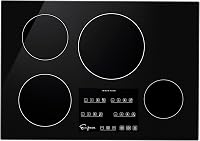
The Empava Ease 30-Inch Built-In Induction Cooktop has 4 heating elements and a drop-in installation type. Its features include touch controls, a boost mode, an independent timer for each zone, a child lock, and a residual heat display.
Before choosing a built-in model, check the cutout dimensions, wiring requirements, and installation instructions with a qualified installer. A cooktop's overall width does not tell you the size of the counter opening it needs.
Does an induction cooktop need special power?
Yes, it needs an electrical connection suited to the specific model. A portable burner may plug into an outlet, while a built-in cooktop may require a different connection.
The Duxtop 9600LS Portable Induction Cooktop requires a 110/120 V, 15 amp outlet. The Empava Ease 30-Inch Built-In Induction Cooktop is a hardwired appliance, so its installation is not the same as plugging in a countertop burner.
Never assume two models share the same power needs because they both use induction. Check the electrical requirements before buying, and see how many watts an induction burner needs for more context on portable models.
Is an induction cooktop safe to use?
Induction avoids an open flame and an exposed hot electric coil, but the pan and surface can still burn you. Follow the manual, keep the cooking area clear, and use the appliance's safety indicators.
Many cooktops detect when a suitable pan is missing, but detection and shutoff features vary by model. The Duxtop 9600LS Portable Induction Cooktop shuts off after 60 seconds if it detects no pan or incorrect cookware.
The Empava Ease 30-Inch Built-In Induction Cooktop has a residual heat display and child lock. A control lock helps prevent accidental changes, but it does not make hot cookware or glass safe to touch.
Use dry hands for controls and keep cords away from hot cookware. Keep children away from hot pans and surfaces, even when a safety lock is active.
What are the main benefits and limits?
Induction offers direct pan heating and quick control, but it depends on compatible cookware and a suitable power connection. Your kitchen setup and cooking habits determine whether those tradeoffs work for you.
Potential benefits include no open flame, a flat surface that is easy to wipe after it cools, and responsive changes to heat settings. Portable models can also add a burner without a permanent installation.
The limits include cookware compatibility, the need to match pan size to the burner, and possible operating sounds. Duxtop notes that layered-metal cookware may make a high-pitched sound during induction cooking.
Read the pros and cons of portable induction cooktops if you're weighing a countertop burner. A built-in model involves separate counter and electrical planning.
How do you choose the right induction cooktop?
Choose a portable induction cooktop if you need a movable burner and have a suitable outlet. Choose a built-in model if you want a fixed cooking surface and can match its installation and electrical needs.
Next, check your cookware with a magnet and confirm pan-size rules in the manual. Then compare burner count, controls, timers, safety features, and the space available in your kitchen.
For the next step, use our complete induction cooktop buyer's guide to compare model types and features. Pick the cooktop that fits your pans, power setup, and cooking space.
Frequently asked questions
What is an induction cooktop in simple terms?
An induction cooktop is an electric appliance that heats compatible cookware using an electromagnetic field. The pan heats directly, rather than sitting over a gas flame or a heated electric coil.
The surface can still become hot from contact with the pan, so let it cool before cleaning.
What cookware works on an induction cooktop?
Induction works with cookware that has a magnetic base, such as many cast-iron and magnetic stainless-steel pans.
Test a pan by placing a magnet against its bottom: if it sticks firmly, the pan is likely to work. Check the cooktop manual for minimum pan size and other limits.
Is an induction cooktop the same as an electric cooktop?
Induction cooktops use electricity, but they heat pans through electromagnetic energy. Traditional electric cooktops heat a coil or glass surface, which then transfers heat to the pan.
Both need electrical power, but their heating methods and cookware requirements differ, so check your pans before switching.
Can you use any pan on an induction cooktop?
No, the pan needs a magnetic base and must meet the cooktop's minimum size requirements.
Aluminum, copper, glass, and some stainless-steel pans may not work unless they have a compatible magnetic layer. Check the pan and cooktop instructions before cooking.