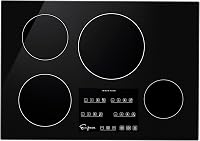
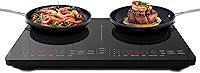
Induction Burner vs Hot Plate: What's the Difference?
The main difference in an induction burner vs hot plate is how it heats your pan: induction uses a magnetic field, while a traditional hot plate heats a coil or plate first. Choose induction for responsive heat control with magnetic cookware, or a hot plate to keep using suitable nonmagnetic pans.
On this page (8 sections)
- What is the difference between an induction burner and a hot plate?
- Does induction cook faster than a hot plate?
- Which cookware works with each type?
- How should you set up a portable burner?
- Which one is easier to clean and store?
- What common mistakes should you avoid?
- When is a traditional hot plate the better choice?
- Which should you choose: induction burner vs hot plate?
The choice between an induction burner vs hot plate starts with your pans: induction needs magnetic cookware, while a traditional electric hot plate accepts more pan materials. Choose induction for quicker heat response, or a hot plate if keeping suitable nonmagnetic cookware matters more.
Both can add a cooking spot during a kitchen remodel, in a small apartment, or beside your main stove. Before buying either, check that you have permission to use it, enough counter space, and a suitable electrical supply.
What is the difference between an induction burner and a hot plate?
Induction heats compatible cookware directly, while a traditional hot plate heats a coil or solid plate that passes heat into the pan. This changes how quickly you can adjust the heat and which cookware you can use.
“Hot plate” is also a broad name for portable cookers, including some induction models. Here, it means a traditional electric coil or solid-plate burner.
| Buying question | Induction burner | Traditional electric hot plate |
|---|---|---|
| Which pans work? | Magnetic bases within the burner's size limits | More materials, subject to appliance and cookware instructions |
| How does heat respond? | Power changes reach the pan quickly | The hot element continues releasing stored heat |
| What stays hot? | The pan and the surface beneath it | The pan and the heating element or plate |
| What needs cleaning? | Usually a flat glass surface | A solid plate or coils and surrounding areas |
| Who should choose it? | Frequent cooks with compatible pans | Cooks keeping suitable nonmagnetic cookware |
Neither type turns an unsuitable countertop into a cooking station. You still need ventilation for steam and cooking fumes, plus room to handle hot pans safely.
Does induction cook faster than a hot plate?
Induction generally heats up and responds faster because it doesn't first warm a separate heating plate. That helps with boiling water, bringing soup back to a simmer, and reducing heat before food catches.
A traditional hot plate stores heat in its element, especially with a solid plate. Turning the dial down doesn't remove that stored heat, so move the pan to a heat-safe trivet when you need to stop cooking quickly.
Induction also has limits: a heavy pan retains heat after you lower the power, and thick food still needs stirring. Some portable burners cycle their output at low settings, so a low temperature number doesn't promise a perfectly steady simmer.
Use power mode for tasks such as boiling water and temperature mode where it suits the recipe. A cooktop's temperature setting isn't a measurement of the food's internal temperature.
Our guide to induction burner wattage explains how power affects a countertop cooker's usefulness.
The ChangBERT 8-Inch Commercial Induction Cooktop suits frequent batch cooking, with push-button controls and a countdown timer up to 10 hours. ChangBERT describes its circuitry as designed for continuous use, making it worth considering for repeated cooking sessions.
Skip it if you mainly need an occasional burner for nonmagnetic pans. Its long timer also doesn't remove the need to stay nearby while cooking.
Which cookware works with each type?
Induction requires a magnetic base, while a traditional hot plate can accept more materials. Base shape, pan size, and the cookware manufacturer's instructions matter for both.
Cast iron, enameled iron, and magnetic stainless steel can work on induction. Plain aluminum, copper, and glass generally won't unless the cookware includes a suitable magnetic base.
Stainless steel alone isn't proof of compatibility. Check each pan rather than assuming every piece in a matching set will work.
A hot plate may suit your existing aluminum saucepan or other nonmagnetic cookware, but glass needs explicit approval for direct stovetop heat. A warped base can rock or make poor contact with a solid plate.
How do you check pans for an induction burner vs hot plate?
Check magnetism and base size for induction; check approved materials and stable contact for a hot plate. Hold a magnet against the underside of the pan, where it touches the cooking surface.
A firm pull is a useful first check, but the burner must also recognize the pan. Measure the flat base rather than the rim, then compare it with the appliance's permitted sizes.
Read about induction burner and pan size before buying a burner for a wide skillet. A large glass surface doesn't mean the entire area beneath a large pan will heat evenly.
The Duxtop 9100MC Portable Induction Cooktop suits everyday cooking when you want a broad choice of settings: it has 20 power levels and 20 temperature settings. Its countdown timer runs up to 170 minutes.
Skip it for a small pot below its minimum diameter. Auto-pan detection shuts it off after 60 seconds when cookware is absent or unsuitable.
How should you set up a portable burner?
Set either burner on a level, heat-resistant surface with the clearances its manual requires. Measure space for the appliance, ventilation, and pan handles before ordering.
Keep it away from counter edges, curtains, paper towels, and splashing water. Don't put a portable burner on another cooking appliance unless its instructions expressly allow that setup.
Check the appliance's voltage and circuit requirements, especially in an RV or temporary kitchen. A plug that fits doesn't prove the circuit can support the burner alongside a kettle, microwave, or other high-power appliance.
Use the connection method in the manual and avoid power strips. Our guide to whether you can plug an induction burner into any outlet explains what to check before choosing a spot.
Leave room around cooling vents and keep the cord clear of hot cookware. For the first meal, start at moderate power so you can learn how quickly the pan responds.
Which one is easier to clean and store?
A flat induction surface is usually easier to wipe clean than an exposed-coil hot plate. A solid-plate model avoids coil gaps, but spills can still bake onto its hot surface.
Let either appliance cool, then unplug it before cleaning as directed. Use a soft cloth and an approved cleaner, and keep water out of vents and controls.
Lift heavy pans instead of sliding them across glass. Remove grit from the pan base, and avoid abrasive pads that can scratch the surface.
The Nuwave Flex Precision Induction Cooktop suits cooks who need a slim unit for storage: its body measures 10 inches deep, 12 inches wide, and 2 inches high. It has touch controls and a temperature range from 100°F to 500°F.
Its 6.5-inch coil makes pan matching worth checking before choosing it for a broad skillet. Nuwave describes the ceramic glass as shatter-resistant, but you should still protect it from dropped cookware.
Allow the appliance to cool fully before packing it away. Keep the surface protected from heavy objects and store the cord without tight bends.
What common mistakes should you avoid?
The biggest mistakes are ignoring pan fit, stored heat, and circuit capacity. Correct setup matters more than choosing the burner with the longest feature list.
- Starting with an empty pan on maximum power: induction can heat compatible cookware quickly, so begin lower and follow the pan's instructions.
- Leaving a hot plate's pan in place after cooking: the element keeps releasing heat and can scorch food.
- Expecting the display to measure food temperature: use a suitable food thermometer when the recipe requires an internal temperature.
- Covering vents with towels or mats: blocked airflow can cause overheating.
- Treating automatic shutoff as supervision: remain nearby with either type, especially when frying or boiling.
Induction can also produce fan noise or cookware hum. If you're choosing a burner for a quiet living space, account for that tradeoff rather than expecting silent operation.
For a practical starting routine, follow our guide to using a portable induction cooktop.
When is a traditional hot plate the better choice?
Choose a traditional hot plate when keeping suitable nonmagnetic pans is your main priority. It can be a sensible backup for occasional meals if you can accept slower heat changes and a hot element after cooking.
Skip it if you often need to lower heat quickly for milk, sauces, or foods that scorch easily. You can work around stored heat by moving pans, but that needs extra space and attention.
A simple dial may appeal to someone who prefers fewer controls. Still, compare the specific appliance's power settings, pan support, and cleaning instructions rather than assuming all hot plates work alike.
Which should you choose: induction burner vs hot plate?
For induction burner vs hot plate, let cookware compatibility settle the first decision, then match the controls to your meals. Check your 2 or 3 most-used pans before comparing models.
Choose ChangBERT for frequent batch cooking, Nuwave Flex when storage space matters, or Duxtop 9100MC for everyday cooking with a wide choice of settings. Choose a traditional hot plate if replacing suitable nonmagnetic pans would undermine the reason you're buying a backup burner.
If induction fits, use our portable induction cooktop guide to narrow the controls and footprint. For broader background, read what an induction cooktop is and the complete induction cooktop buyer's guide.
Frequently asked questions
Is an induction burner the same as a hot plate?
An induction burner is a portable cooker, but it works differently from a traditional electric hot plate. Induction heats magnetic cookware directly, while a hot plate heats a coil or plate first.
Some brands call induction units hot plates, so check the heating method rather than relying on the name.
Do induction burners use less electricity than hot plates?
Induction generally wastes less heat around the pan, so it can use less electricity for the same cooking task. Total energy use still depends on cooking time, cookware, and power settings.
Compare the whole task, such as boiling water, rather than assuming a lower-wattage appliance always uses less electricity.
Can you use any pan on an induction burner?
No, induction needs a magnetic base and a pan size the burner can recognize. Cast iron and some stainless steel cookware work, while plain aluminum, copper, and glass usually don't.
Check the base with a magnet, then confirm the cookware and burner instructions before using the pan.
Is a hot plate better than induction for old cookware?
A traditional electric hot plate is the easier choice if your old cookware has nonmagnetic bases. Age alone doesn't determine compatibility, since older cast iron can work on induction.
For either appliance, check that the pan sits flat, stays stable, and meets the manufacturer's material and size requirements.